
Introduction: Why Air Freight Forwarding Matters for Small Businesses
For many small businesses, shipping internationally can feel overwhelming. Traditional shipping methods such as sea freight or standard courier services often come with long transit times, limited tracking, and unpredictable schedules. This is where an air freight forwarder becomes invaluable.
An air freight forwarder acts as an intermediary between your business and airlines, managing all aspects of shipping from documentation to customs clearance. By doing so, they simplify the shipping process, reduce the risk of delays, and allow small business owners to focus on core operations rather than logistics.
Choosing the right air freight forwarder can significantly impact your shipping efficiency, costs, and overall customer experience. Understanding how air freight forwarding works, the benefits it offers, and the best practices for small businesses can help you make informed decisions and gain a competitive edge in the global market.
Section 1: Understanding Air Freight Forwarding Services
Before diving into the logistics of shipping internationally, it is important to understand what air freight forwarding services involve. At its core, an air freight forwarder coordinates the transportation of goods by air, handling a range of tasks from start to finish.
What an Air Freight Forwarder Does
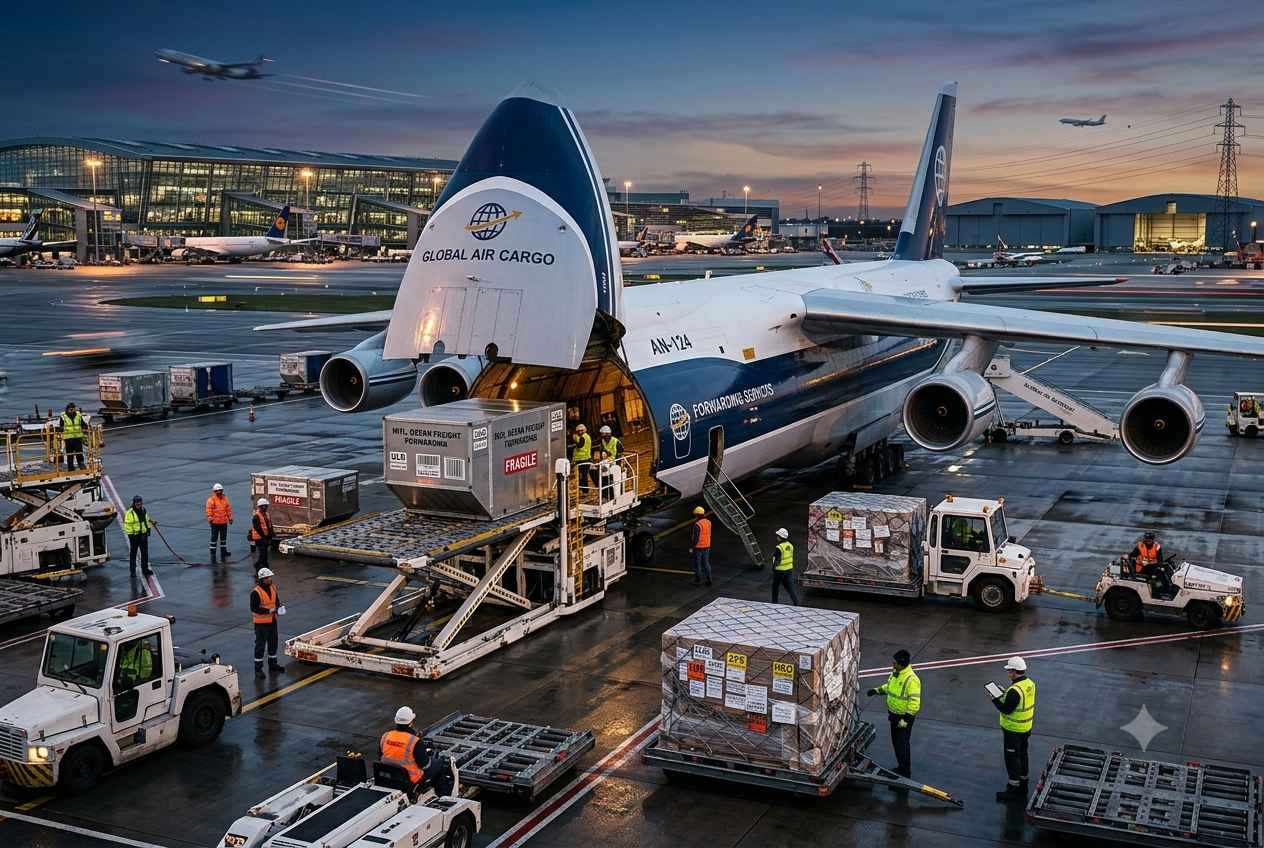
An air freight forwarder is responsible for organizing the shipment of goods from your warehouse to the final destination. Their services typically include:
Booking cargo space with airlines to ensure timely shipping
Preparing shipping documentation such as air waybills, commercial invoices, and packing lists
Customs clearance to ensure your shipments comply with the destination country’s regulations
Cargo insurance to protect your goods in transit
Tracking and delivery management so you can monitor your shipment in real-time
By managing these elements, an air freight forwarder reduces the complexity of international air freight shipping for small businesses, allowing them to scale operations without the burden of logistical headaches.
How Air Freight Forwarding Differs from Standard Shipping
While standard courier services handle smaller packages with limited tracking options, air freight forwarding focuses on larger shipments, often measured in pallets or containers. Air freight forwarders can consolidate shipments from multiple clients, reducing costs and optimizing airline routes. This flexibility makes it ideal for small businesses looking to balance speed, cost, and reliability.
Key Terms to Know
Air Waybill (AWB): A legal document issued by an airline acknowledging receipt of goods.
Freight Consolidation: Combining multiple smaller shipments into one larger shipment to save costs.
Customs Clearance: The process of preparing and submitting required documents to allow goods to enter a foreign country legally.
Incoterms: International commercial terms that define responsibilities between buyers and sellers for shipping, insurance, and duties.
Understanding these terms can help small business owners communicate effectively with their air freight forwarder and make better shipping decisions.
Section 2: Benefits of Using an Air Freight Forwarder for Small Businesses
Small businesses often face resource constraints and operational challenges that make air freight forwarding an attractive solution. While some business owners may consider managing shipping independently, the advantages of using an experienced air freight forwarder are significant.
Faster Transit Times
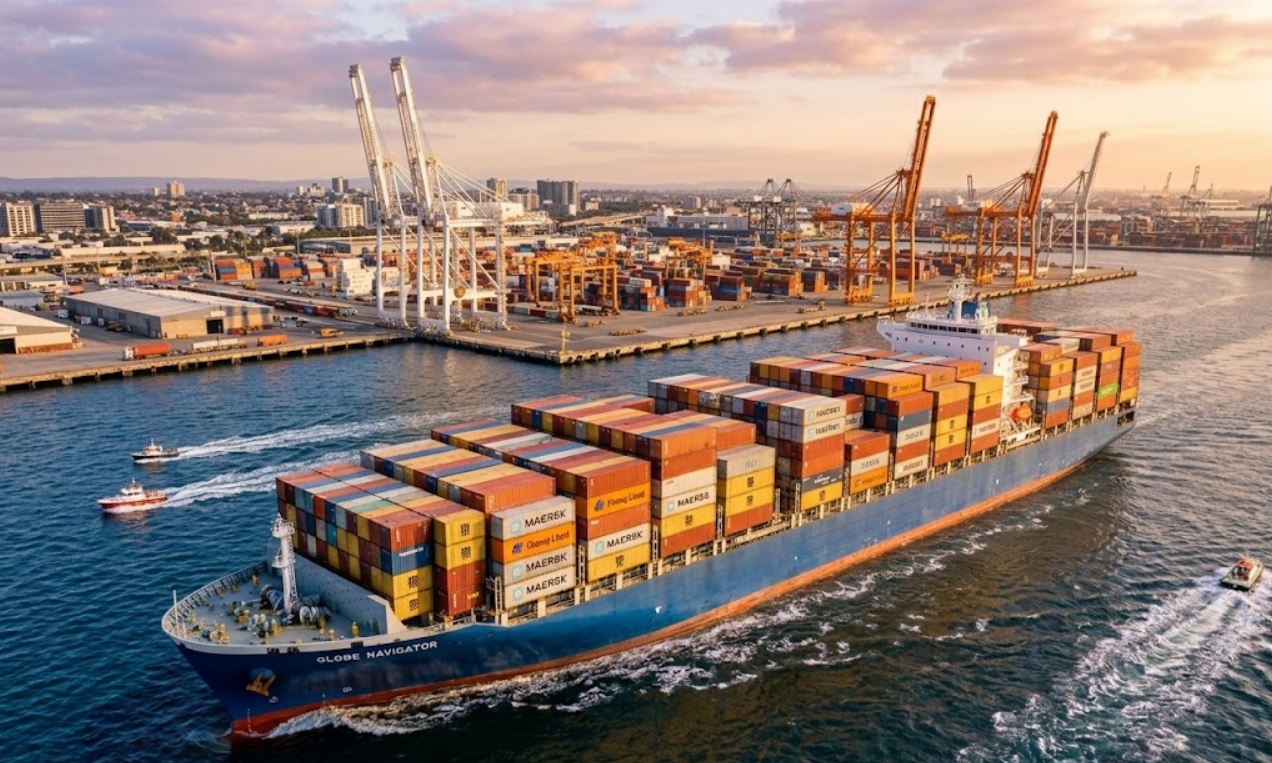
Unlike ocean freight, which can take weeks, international air freight shipping delivers goods in days. For small businesses, speed is often critical, whether fulfilling customer orders, replenishing inventory, or responding to market demand. Faster transit times can improve cash flow and enhance customer satisfaction by ensuring timely deliveries.
Simplified Customs Clearance
Navigating international customs regulations can be complex, especially for small businesses without dedicated logistics teams. An air freight forwarder handles the preparation and submission of all necessary documents, ensuring shipments comply with local laws and regulations. This reduces the risk of delays, fines, or confiscation of goods, allowing your business to maintain a smooth supply chain.
Cost-Effective Solutions for Smaller Shipments
Contrary to common perception, air freight is not always prohibitively expensive. Air freight forwarders can consolidate shipments from multiple clients, negotiate discounted rates with airlines, and optimize routing to reduce costs. For small businesses shipping urgent or high-value products, the combination of speed and reliability often outweighs the slightly higher cost compared to sea freight.
Enhanced Tracking and Visibility
Modern air freight forwarding services offer advanced tracking solutions, providing real-time updates on your shipment’s status. This visibility allows small businesses to anticipate delays, plan inventory replenishment, and communicate proactively with clients, improving overall operational efficiency.
Risk Management and Insurance
Shipping internationally involves inherent risks, including damage, theft, or loss of goods. Many air freight forwarders offer cargo insurance, protecting small businesses from unexpected financial setbacks. By transferring risk to the logistics provider, business owners can focus on growth and strategy rather than worrying about shipments in transit.
Section 3: Choosing the Right Air Freight Forwarder
Selecting an experienced air freight forwarder is critical for small businesses looking to streamline their international shipping operations. Not all forwarders offer the same services, rates, or level of expertise, so careful consideration is necessary.
Factors to Consider
Experience and Reputation: Look for a forwarder with a strong track record in handling international shipments similar to your products. Online reviews, client testimonials, and industry certifications can provide valuable insights.
Network and Partnerships: A forwarder with an extensive airline network and global partnerships can offer more shipping options, faster routes, and better rates.
Customization and Flexibility: Your business may have unique shipping needs, such as temperature-sensitive goods or irregular delivery schedules. A good forwarder will offer flexible solutions tailored to your requirements.
Transparency and Communication: Effective communication is essential. Choose a forwarder that provides regular updates, clear documentation, and responsive customer support.
Cost and Value: While price is important, it should not be the sole deciding factor. Evaluate the overall value of services, including insurance, tracking, and customs support, rather than choosing the cheapest option.
Questions to Ask Potential Forwarders
Can you handle customs clearance in my destination country?
What are your standard transit times for shipments of my size and type?
Do you offer consolidated shipping options to reduce costs?
Can you provide cargo insurance and documentation support?
What tracking and reporting tools do you provide?
By asking these questions, small businesses can identify an air freight forwarder that aligns with their shipping needs, budget, and long-term growth plans.
Case Example
Many small businesses in the technology and fashion industries rely on air freight forwarders to ship high-value or time-sensitive goods. For instance, a boutique fashion retailer shipping seasonal apparel from Italy to the United States might partner with a forwarder to consolidate shipments, manage customs, and guarantee delivery within 48 to 72 hours. This approach reduces delays, avoids stockouts, and keeps customers happy, demonstrating the tangible benefits of using a professional forwarder.
Section 4: Best Practices for Small Businesses Using Air Freight Forwarding Services
To maximize the advantages of international air freight shipping, small businesses should adopt a set of best practices that improve efficiency, reduce costs, and minimize risks.
1. Plan Ahead
While air freight is fast, last-minute shipments can be expensive. Planning shipments in advance allows you to take advantage of discounted rates, secure available cargo space, and ensure timely delivery. Seasonal demand spikes or peak shipping periods should be factored into your logistics strategy.
2. Consolidate Shipments
Consolidation involves combining multiple smaller shipments into a single larger shipment. This practice reduces shipping costs and environmental impact while streamlining customs processing. An experienced air freight forwarder can advise on the most efficient consolidation strategy for your business.
3. Prepare Accurate Documentation
Incorrect or incomplete documentation is a leading cause of shipping delays. Ensure commercial invoices, packing lists, and air waybills are accurate and compliant with destination country regulations. Your forwarder can guide you on proper documentation practices, preventing costly delays at customs.
4. Choose the Right Shipping Terms
Incoterms define the responsibilities of buyers and sellers for shipping, insurance, and customs duties. Selecting appropriate Incoterms ensures clarity in cost allocation and legal responsibilities. Discuss your options with your forwarder to choose the most suitable terms for your shipments.
5. Use Packaging Strategically
Proper packaging protects goods during transit and can affect shipping costs. Lightweight, compact packaging reduces weight charges, while sturdy packaging prevents damage. For fragile items, consider additional protective materials and secure labeling.
6. Track Shipments Proactively
Take advantage of tracking tools offered by your air freight forwarder. Real-time monitoring allows you to anticipate delays, manage inventory effectively, and provide timely updates to customers. Proactive tracking can prevent bottlenecks and improve overall supply chain efficiency.
7. Leverage Technology
Many forwarders provide digital platforms for booking shipments, generating documents, and tracking cargo. Using these tools can simplify logistics management, reduce errors, and save time for small business owners who may not have dedicated logistics teams.
8. Build Long-Term Relationships
Partnering with a reliable air freight forwarder over the long term can provide benefits beyond shipping. Established relationships may result in preferential rates, priority cargo space, and personalized solutions that align with your business growth.
Section 5: Common Challenges and How to Overcome Them
Even with a professional air freight forwarder, small businesses may face challenges in international shipping. Understanding these challenges and implementing strategies to mitigate them is essential for smooth operations.
Challenge 1: High Shipping Costs
Air freight is generally more expensive than sea freight. Small businesses can offset costs by consolidating shipments, negotiating volume discounts, or using forwarders with extensive airline partnerships. Prioritizing high-value or urgent shipments for air freight ensures cost-effectiveness.
Challenge 2: Customs Delays
Customs regulations vary by country, and delays can occur if documentation is incomplete or incorrect. Working closely with your forwarder, preparing accurate documentation, and understanding destination regulations can minimize customs-related issues.
Challenge 3: Limited Cargo Space During Peak Seasons
Airlines have finite cargo capacity, and space can be limited during holidays or high-demand periods. Booking shipments in advance, exploring multiple routes, and using a forwarder with a broad network can mitigate this risk.
Challenge 4: Damage or Loss of Goods
While rare, goods can be damaged or lost in transit. Cargo insurance, proper packaging, and choosing a forwarder with a strong reputation for handling fragile or high-value items reduces this risk.
Challenge 5: Complexity in International Regulations
Different countries have unique import/export rules, including product restrictions, tariffs, and certifications. An experienced air freight forwarder navigates these complexities, ensuring compliance and avoiding fines or shipment rejection.
Section 6: TerraLink Logistics and Professional Air Freight Forwarding
For small businesses seeking reliable international shipping, TerraLink Logistics offers air freight forwarder services designed to streamline operations, reduce costs, and ensure timely delivery. With a network of global partners, advanced tracking tools, and expertise in customs clearance, TerraLink Logistics helps small businesses navigate the challenges of international air freight shipping efficiently.
Partnering with a professional forwarder like TerraLink Logistics allows businesses to focus on growth and customer satisfaction while leaving the complexities of shipping to logistics experts.
Conclusion: Making Air Freight Forwarding Work for Your Small Business
Navigating international shipping can be challenging for small businesses, but leveraging the expertise of an air freight forwarder can turn it into a competitive advantage. From faster transit times and simplified customs clearance to enhanced tracking and risk management, air freight forwarding provides the tools needed to scale globally with confidence.
By selecting the right forwarder, planning shipments strategically, and adopting best practices, small businesses can save time, reduce costs, and enhance customer satisfaction. Whether shipping high-value products, urgent inventory, or seasonal goods, international air freight shipping offers speed, reliability, and efficiency that can transform your supply chain.
Take the next step in expanding your business internationally. Partner with a professional air freight forwarder, explore your shipping options, and experience the benefits of seamless global logistics today. With the right approach, your small business can reach new markets, delight customers, and achieve sustainable growth.



Write a comment ...