
Introduction
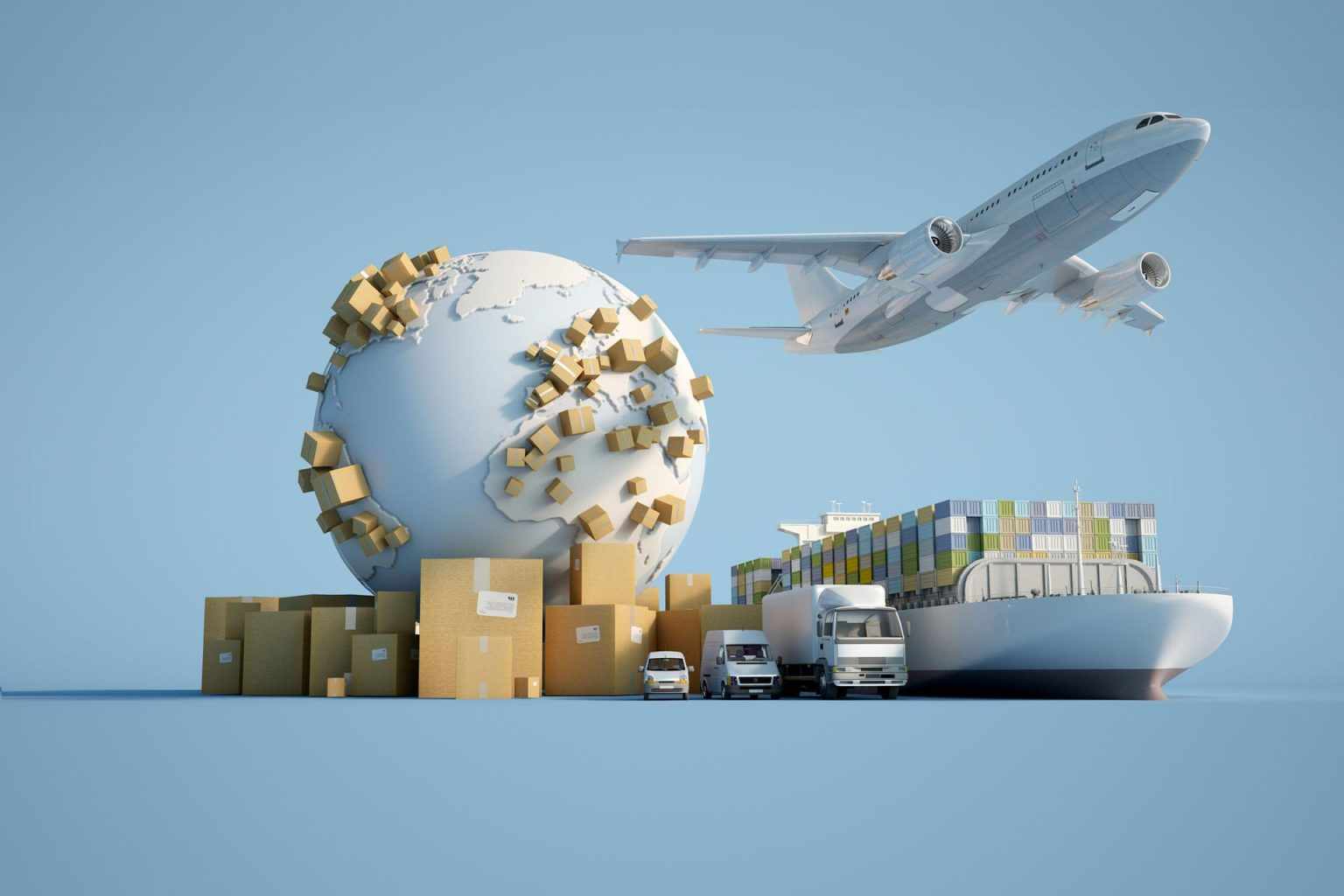
In today's fast-paced and highly interconnected world, efficient and reliable logistics play a critical role in the success of businesses across industries. One of the most vital components of this ecosystem is logistical transport, which involves the movement of goods from one place to another using various methods like road, rail, air, and sea. As companies look to enhance their operations, logistical transport has become a backbone of the global economy, enabling smooth and timely delivery of products and services.
Whether it is a small business expanding its reach globally or large multinational corporations managing supply chains, logistical transport has become a cornerstone in ensuring the smooth functioning of these processes. But what exactly does logistical transport entail, and how has it evolved in the modern supply chain? In this article, we will dive deep into the world of logistical transport, explore the different types of transportation, the importance of efficient logistics, and how it benefits both businesses and consumers alike.
Section 1: What is Logistical Transport?
Logistical transport refers to the coordinated movement of goods and services from one point to another, making sure that the product reaches its destination in a timely and efficient manner. This can include the transportation of raw materials to factories, finished goods to retail stores, or the shipment of products directly to consumers. Logistical transport can be carried out by various means, including:
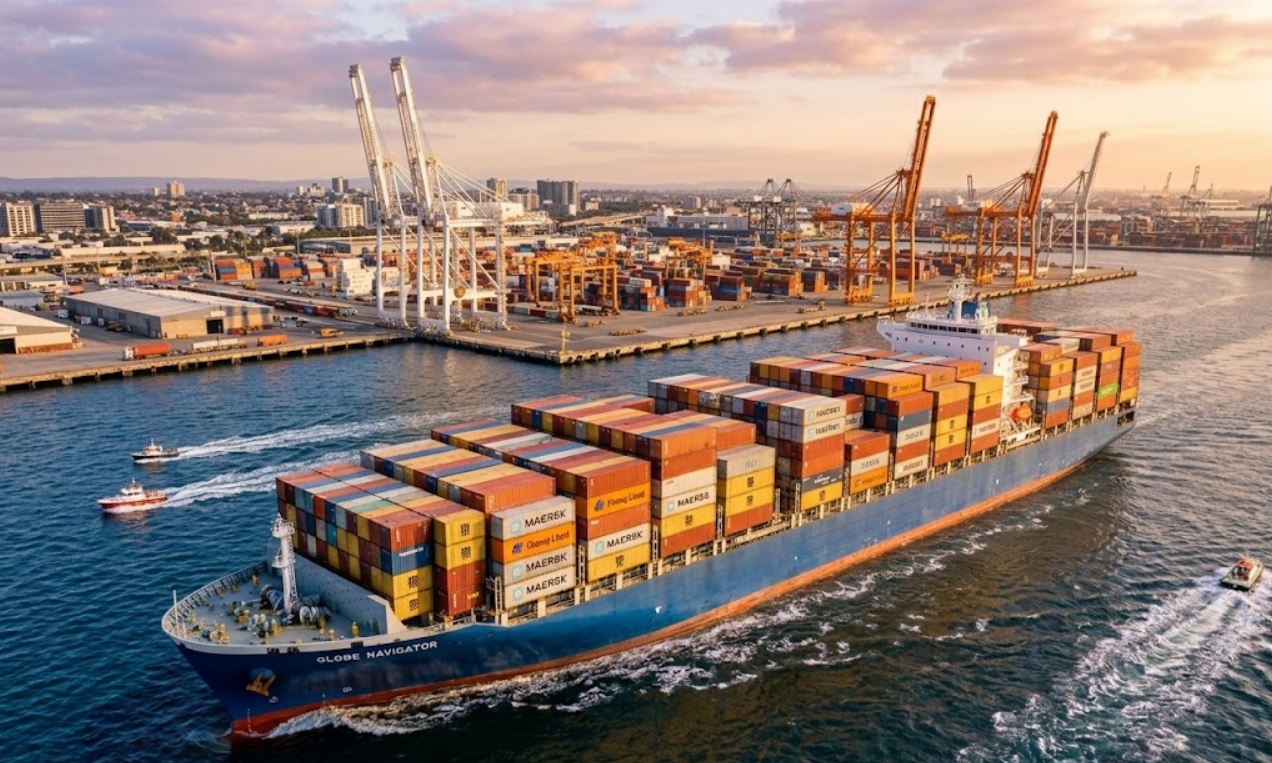
Ocean Freight: Used primarily for the transport of large volumes of goods across long distances. Ocean freight is essential for international trade and plays a major role in global supply chains. This method is cost-effective but slower compared to other options.
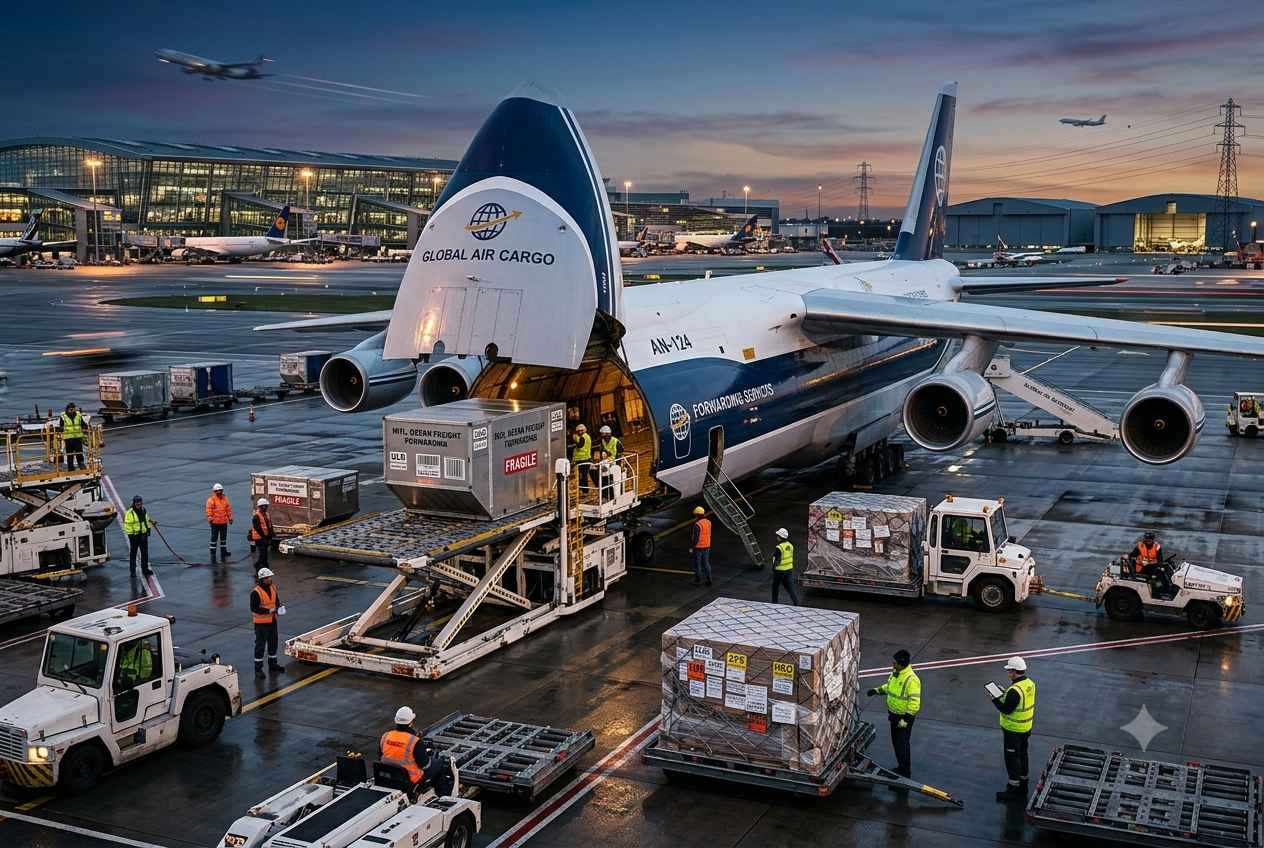
Air Freight: Involves the transport of goods by air, typically used for time-sensitive deliveries. Air freight is faster but more expensive than ocean freight.
Road Freight: The most common form of transport, used for moving goods within a specific region. It is highly flexible and allows door-to-door deliveries, making it essential for both local and international transportation.
Rail Freight: A reliable method for transporting goods over long distances, particularly for bulk goods. Rail freight is environmentally friendly and can carry large amounts of goods, but it is limited by infrastructure and routes.
Logistical transport encompasses not only the physical movement of goods but also the coordination between various modes of transport, warehouses, customs, and regulatory compliance to ensure smooth deliveries.
Section 2: The Importance of Efficient Logistical Transport
Efficient logistical transport is crucial for businesses and industries aiming to succeed in a highly competitive marketplace. The main factors that make logistical transport an essential part of the supply chain include:
Cost-Effectiveness: By choosing the right mode of transport, businesses can significantly reduce shipping costs. For example, shipping via ocean freight is more cost-effective than air freight for non-urgent deliveries. With an efficient logistics strategy, companies can find the optimal balance between speed and cost, ensuring maximum profitability.
Time Sensitivity: In many industries, such as e-commerce, manufacturing, and pharmaceuticals, timely delivery of products is critical. Efficient logistical transport helps businesses meet customer expectations and avoid delays, ensuring products reach customers on time.
Customer Satisfaction: With the rise of e-commerce and instant gratification culture, customers now expect faster and more reliable delivery options. Efficient logistical transport helps meet these expectations by providing timely and accurate deliveries, which leads to increased customer satisfaction and loyalty.
Global Reach: With global trade becoming more widespread, businesses need a logistical transport system that allows them to reach international markets. Whether it is via ocean freight or air freight, businesses need to ensure their goods can be moved across borders, following international regulations.
Flexibility: The ability to adapt to changing conditions is vital. This includes being able to reroute shipments, change transport methods based on circumstances, or handle special requests, all of which require an agile logistical transport system.
Section 3: Types of Logistical Transport Solutions
Different industries require different types of logistical transport solutions. Depending on the nature of the goods being transported, their destination, and the required speed, businesses can choose from a variety of transport methods:
1. Ocean Freight: The Backbone of Global Trade
When it comes to transporting large volumes of goods over long distances, ocean freight is the most widely used method. It offers a cost-effective solution for shipping bulk items like electronics, clothing, raw materials, and much more. Despite its slower pace compared to air transport, ocean freight is the most economical method for global shipments.
One of the major advantages of ocean freight is that it can accommodate a wide range of cargo types, from dry goods to perishables, and even hazardous materials. It is also environmentally friendly as it produces fewer carbon emissions per ton compared to other transport options.
2. Air Freight: Speed Meets Precision
Air freight is often chosen for high-value, time-sensitive goods that need to be delivered quickly. Industries like fashion, electronics, and pharmaceuticals rely heavily on air freight because it allows them to get products to their customers faster. With air freight, businesses can ensure that goods are delivered within tight timeframes, which is crucial for meeting customer demands in the modern world.
While air freight is significantly more expensive than ocean freight, its speed and precision make it indispensable for urgent shipments. For instance, it is used extensively for shipping medical supplies, luxury items, and electronics that are highly time-sensitive.
3. Road Freight: The Most Versatile Option
Road freight is the most common form of logistical transport, especially for short-distance deliveries within a specific region or country. It offers unmatched flexibility, as trucks can navigate directly to delivery points, making road freight ideal for local and regional transportation.
Whether it’s the transport of fresh produce from farms to grocery stores or the shipment of goods from warehouses to retail locations, road freight enables businesses to maintain just-in-time inventory systems. It’s also widely used for last-mile delivery, ensuring that customers receive their products directly at their doorstep.
4. Rail Freight: Reliable for Bulk Transportation
While rail freight is not as flexible as road freight, it is highly efficient for transporting large quantities of goods over long distances. Railways are particularly useful for bulk items such as coal, grain, and industrial products. Rail freight is also more environmentally friendly than road transport, as it produces fewer emissions per ton-mile.
Rail transport also plays an essential role in reducing congestion on highways and offering a more sustainable alternative to long-distance trucking.
Section 4: Key Considerations in Logistical Transport Management
Efficient management of logistical transport involves understanding and addressing various factors that can impact delivery timelines, costs, and overall operational success. Below are some of the key considerations that businesses must focus on:
Customs Clearance: International shipments often require clearance through customs before they can proceed to their destination. It’s crucial for businesses to understand the requirements of the destination country and ensure that all necessary documentation is in place to avoid delays.
Warehousing: A well-organized warehouse plays a critical role in logistical transport. Proper storage of goods, inventory management, and order fulfillment are essential to ensure that products are readily available for shipment when needed.
Supply Chain Visibility: With the integration of technology, businesses now have the ability to track shipments in real time, providing transparency and allowing them to make quick decisions in case of delays or issues. Supply chain visibility is crucial in modern logistical transport systems.
Regulatory Compliance: Every country has its own set of rules and regulations governing transport, especially for certain types of goods. Ensuring compliance with these regulations is essential for avoiding fines, delays, and other complications.
Sustainability: As environmental concerns continue to rise, companies are becoming more conscious of their carbon footprints and seeking out sustainable transport methods. From using fuel-efficient vehicles to optimizing routes, businesses are increasingly implementing green practices in their logistical transport strategies.
Conclusion: The Future of Logistical Transport
Logistical transport continues to evolve, driven by advances in technology, sustainability efforts, and changing consumer expectations. As businesses continue to expand their reach globally, the need for reliable, cost-effective, and efficient transport solutions will only increase. Companies like Terra Logistics, offering ocean freight, road freight, air freight, warehousing, and customs clearance, provide a comprehensive set of services to support businesses in their quest for global expansion.
As we move forward, the logistics industry will likely see greater innovation, including the integration of artificial intelligence, blockchain for tracking, and autonomous vehicles, which will further streamline and improve transport efficiency. Businesses that embrace these changes will be able to maintain a competitive edge, while consumers will continue to benefit from faster, more reliable deliveries.
If you’re looking to optimize your supply chain, reduce costs, and improve delivery times, efficient logistical transport solutions can help take your business to the next level. Consider partnering with a logistics provider who offers a full spectrum of services, and watch your operations run smoothly and successfully.



Write a comment ...