
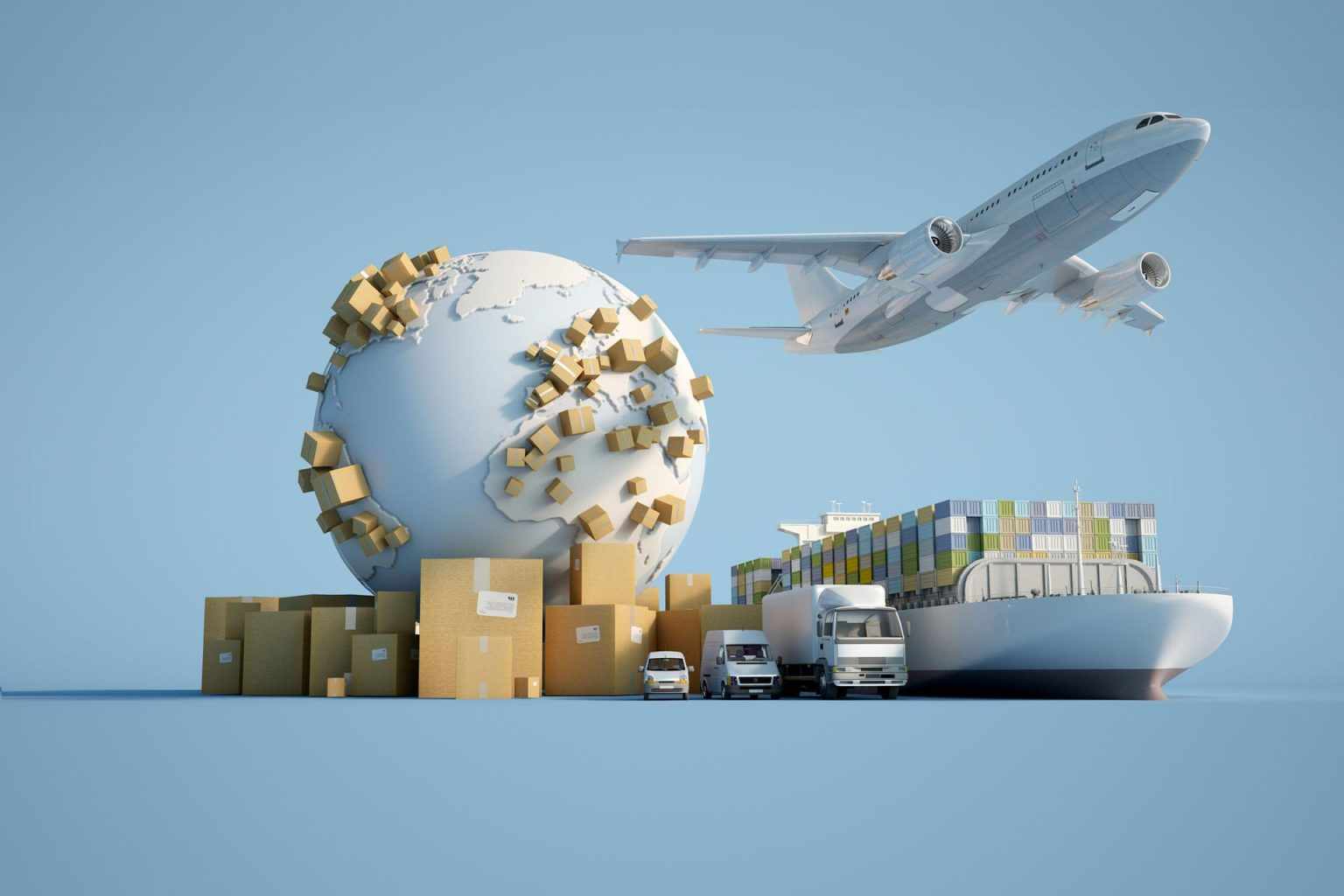
International trade relies heavily on the ability to move goods across vast distances efficiently and affordably. For businesses looking to scale globally, understanding how to utilize maritime shipping is essential. This comprehensive guide breaks down the core mechanics of sea shipping to help you build a more resilient and cost-effective supply chain.
Introduction
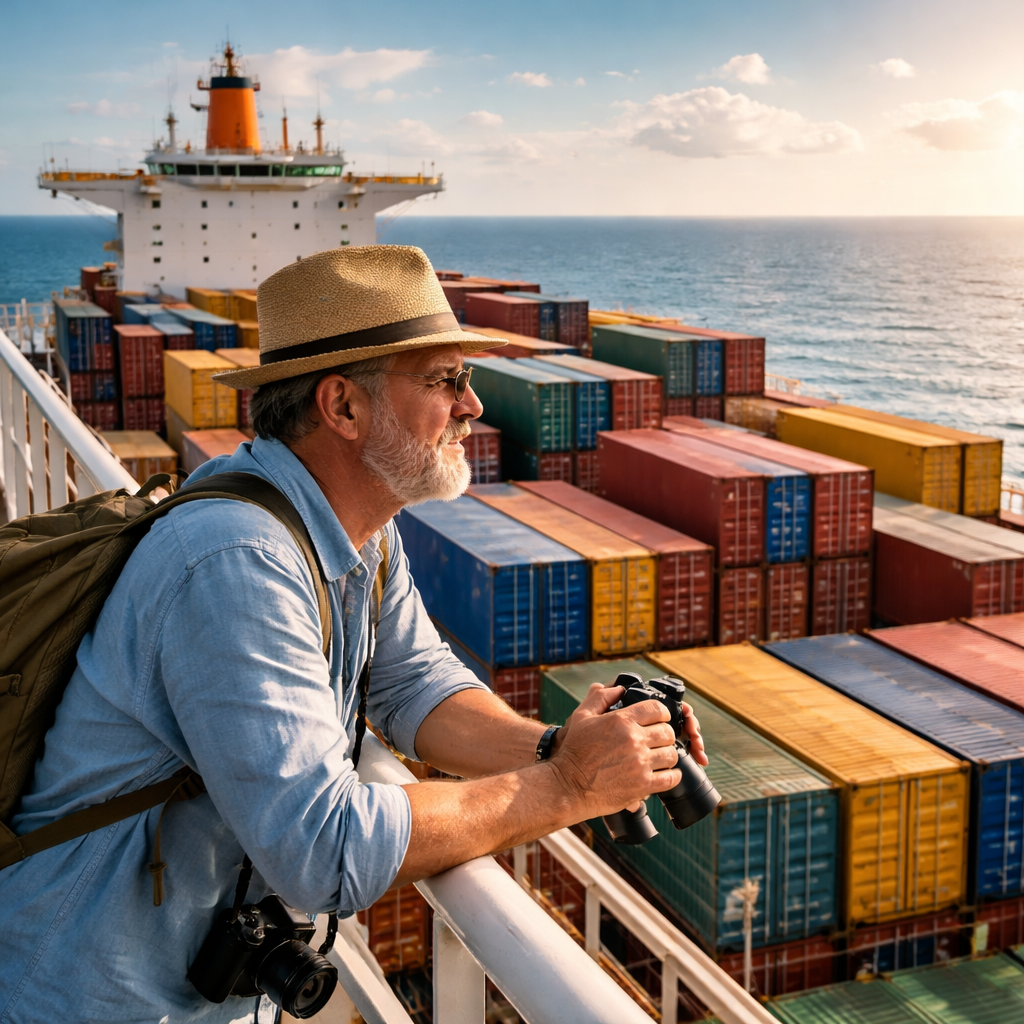
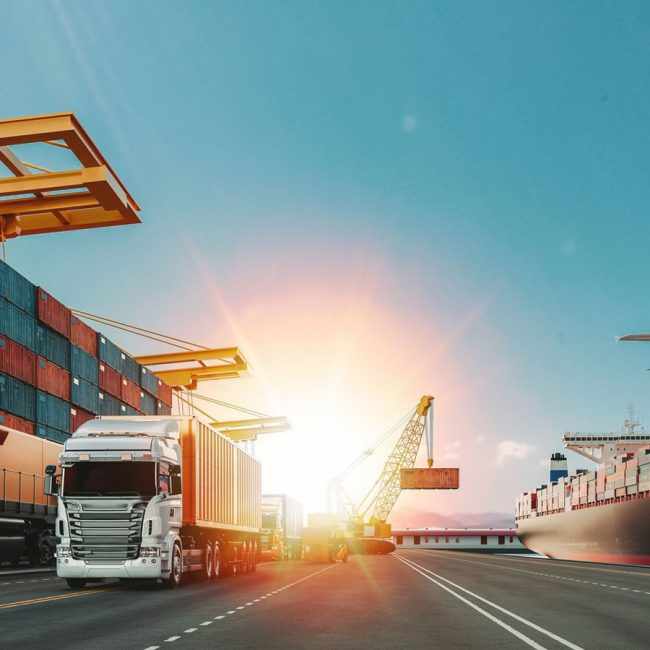
The modern global economy moves on the water, transforming vast oceans into interconnected trade highways that sustain our standard of living. While air travel captures our imagination for speed and immediate gratification, maritime transportation forms the quiet, unyielding backbone of international commerce. Approximately 80 percent of all global trade by volume is carried by sea, which means that for the vast majority of consumer goods, raw materials, industrial equipment, and agricultural products, the journey from factory floor to retail shelf involves a journey across an ocean.
Choosing the right shipping method can fundamentally transform your bottom line because air transit is notoriously expensive, leaving sea transportation as the primary choice for businesses that need to manage thin margins while moving large volumes. This detailed analysis covers the structural frameworks, costing metrics, and key regulatory requirements that define modern maritime shipping. Armed with this analytical perspective, supply chain professionals can optimize logistics pipelines, mitigate risks, and build sustainable pathways for international growth.
Section 1: Decoding the Core Transport Methods
When shipping goods via maritime routes, businesses must choose between different container management options based on cargo volume and budget constraints. Understanding these configurations ensures you pay only for the space you actually require.
Full Container Load (FCL)
FCL shipping means a single importer utilizes an entire ocean container exclusively for their shipment, ensuring that you do not share space with any other companies. This approach is highly efficient for organizations moving enough inventory to fill a standard 20-foot or 40-foot container, allowing businesses to maximize their shipping spend by packing the container to its physical or weight capacity.
The primary advantage of choosing this method is security and speed. Because the entire container holds items belonging to one company, the cargo is loaded directly at the origin facility and sealed with a high-security bolt seal. It remains untouched until it arrives at the final destination warehouse, which eliminates intermediate handling, reduces the risk of accidental damage, and minimizes customs inspection delays caused by other shippers' errors.
Less than Container Load (LCL)
For small and medium enterprises, filling a whole container is often impractical due to lower inventory turnover or smaller order sizes. This is where LCL shipping becomes valuable because through LCL, multiple logistics providers combine shipments from different businesses into a single shared container. Each company pays only for the volume of space their goods physically occupy, usually calculated in cubic meters or cubic feet, making global trade accessible to smaller brands.
While cost-effective for smaller volumes, LCL introduces complexity to the supply chain journey because shipments must pass through a container freight station at both the origin and destination port. At these stations, logistics workers consolidate cargo before transit and de-consolidate it upon arrival, a manual process that naturally increases transit times and raises the probability of damage or tracking errors.
Specialized Cargo Types
Not all merchandise fits neatly into a standard steel box, forcing the maritime industry to utilize specific ship types to accommodate unique logistical needs:
Roll-on/Roll-off (RoRo): Designed specifically for wheeled cargo, including automobiles, heavy construction trucks, and tractors. Vehicles are driven directly onto the vessel at the departure port and driven off at the destination, bypassing standard cranes entirely to streamline the loading process.
Bulk Freight: Used for loose, unpackaged commodities like grain, coal, iron ore, and crude oil, which are poured or pumped directly into the massive cargo holds of specialized bulk carriers.
Section 2: Financial Metrics and Surcharges Explained
Managing costs effectively requires an understanding of how ocean carriers price their services because base rates are rarely the final price listed on an invoice. A complex web of additional operational fees can catch unprepared businesses off guard and quickly erode profit margins.
Fee Type Acronym Description Impact on Budget Ocean Freight Rate OF R The foundational cost of moving a container from port to port.Highly volatile; changes based on seasonal demand.Bunker Adjustment Factor BAFA fluctuating surcharge that accounts for shifts in marine fuel costs.Can shift monthly depending on global oil market performance.Currency Adjustment Factor CAFA fee added to compensate for exchange rate swings between currencies.Added when the currency of payment shifts sharply against the US dollar.Terminal Handling Charges THC Fees levied by port authorities for loading and unloading cargo containers.Paid at both the origin and destination ports; relatively stable.
Understanding Hidden Destination Fees
Beyond the primary transportation costs, logistics managers must plan for ancillary fees that occur during local transport and warehousing. For example, container demurrage is charged by ocean liners when an importer leaves a container sitting inside the port terminal past the allowed free days, which are granted to clear customs.
Similarly, detention fees apply when an importer takes the container outside the port area for unloading but fails to return the empty equipment within the contractual timeline, creating costly penalties. These charges stack up daily, quickly erasing the profitability of an import campaign if inland logistics are not carefully coordinated.
Section 3: Navigating Inco terms and Customs Compliance
The global shipping landscape depends on standardized terminology to prevent legal disputes between buyers and sellers, establishing clear boundaries of responsibility for every step of the international journey.
The Role of International Commercial Terms
Published by the International Chamber of Commerce, Incoterms dictate exactly when financial liability and physical risk transfer from a seller to a buyer, making it critical to select the correct terms to avoid catastrophic losses at sea.
[Ex Works / EXW] ---------> [Free on Board / FOB] ---------> [Cost, Insurance, & Freight / CIF]
(Buyer handles all          (Seller delivers cargo           (Seller pays for ocean transit
costs from factory)          to the ship's rail)              and basic cargo insurance)
For instance, under FOB (Free on Board), the seller is only responsible for moving the items onto the vessel at their local port, meaning that once the cargo crosses the ship's railing, the buyer assumes all costs, risks, and coordination duties.
Conversely, CIF (Cost, Insurance, and Freight) requires the seller to arrange the ocean journey and pay for baseline marine insurance up to the destination port, giving the buyer more breathing room during the initial transit phase but often reducing their control over the shipping timeline.
The Customs Clearance Bottleneck
Every international shipment must clear national borders, where missing or incorrect paperwork stands as the single most common cause of extended supply chain delays. Importers must consistently provide precise commercial invoices, detailed packing lists, and verified bills of lading to avoid customs holds.
Furthermore, many jurisdictions require an active customs bond to guarantee payment of import duties and taxes, making it highly beneficial to work with a certified customs broker who helps protect your enterprise from compliance failures and costly asset seizures.
Section 4: Evaluating the Environmental and Strategic Trade-offs
Modern businesses cannot analyze logistics through a financial lens alone because sustainability, market velocity, and structural resilience are now vital parts of corporate strategy.
Air Freight:   [ High Cost ]  -------->  [ High Velocity ] --------> [ High Carbon Output ]
Ocean Freight: [ Low Cost ]   -------->  [ Low Velocity ]  --------> [ Low Carbon Output ]
The Velocity Gap
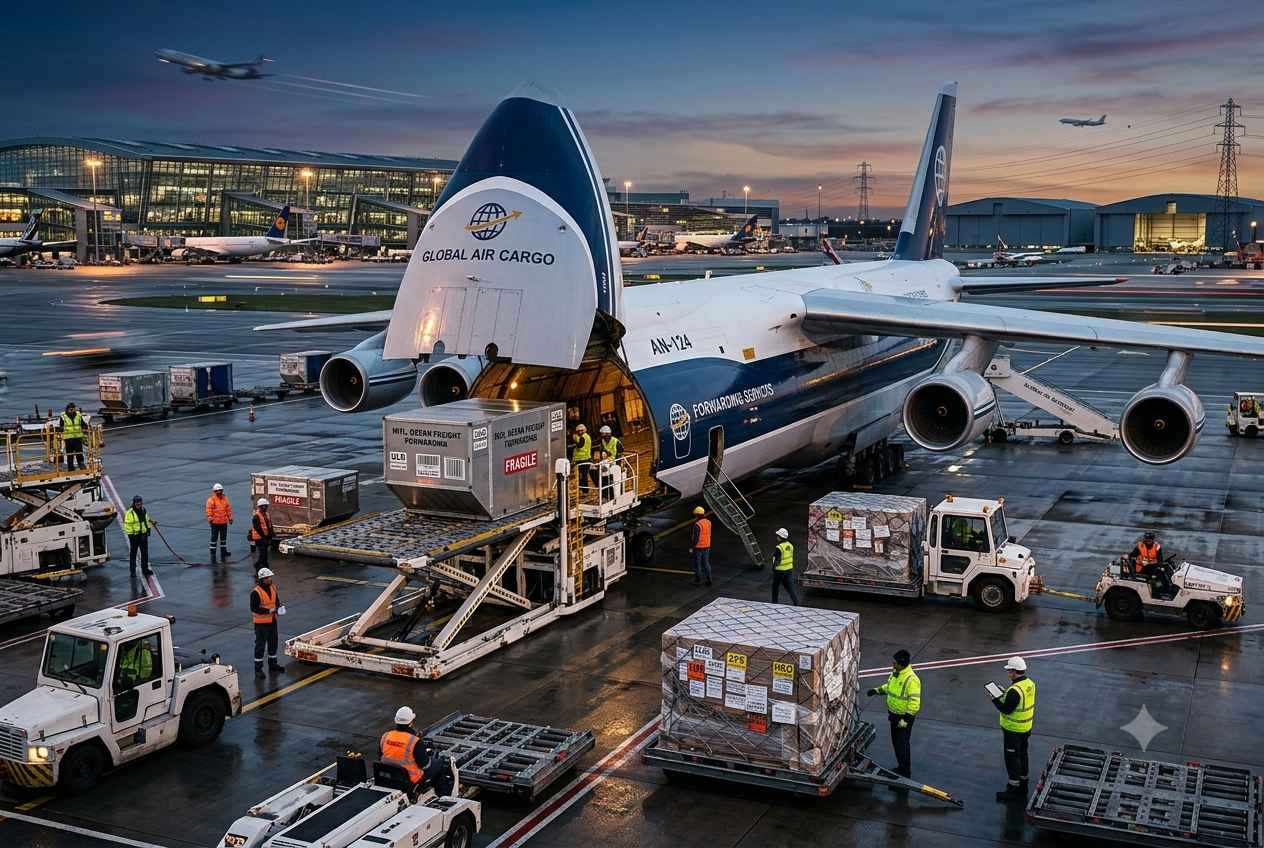
The main sacrifice required by ocean shipping is time, which can disrupt fast-moving retail cycles. While an air cargo shipment can cross continents in 24 to 48 hours, a container vessel travelling from Shanghai to Los Angeles routinely takes 14 to 20 days, and if the destination is Rotterdam, that timeline can expand to over 35 days depending on maritime traffic levels and weather conditions.
Businesses must carry higher levels of safety stock to compensate for these long lead times, which ties up working capital in warehouse inventory and increases holding costs.
The Sustainability Advantage
Despite the slower speeds, maritime transport offers a significant environmental advantage that aligns with modern corporate governance goals. Moving cargo by ocean liners is roughly ten to forty times more carbon-efficient than using commercial air transport, significantly lowering greenhouse gas emissions per ton-mile.
As global regulatory frameworks introduce mandatory carbon accounting and consumers demand greener supply chains, reducing your reliance on air transport and maximizing sea containers is one of the fastest ways to lower your corporate environmental footprint.
Conclusion
Ocean freight remains the cornerstone of scalable international distribution networks. By choosing strategically between FCL and LCL options, understanding the nuances of port surcharges, and selecting the correct Incoterms, businesses can control expenses while reaching new markets around the globe.
Achieving long-term success requires active, ongoing management because global markets fluctuate constantly. Rather than viewing logistics as a hands-off transactional utility, forward-thinking organizations treat global shipping as a core strategic asset that drives growth.


Write a comment ...